
Cedar Hill Knee Brace Options: Stability and Comfort
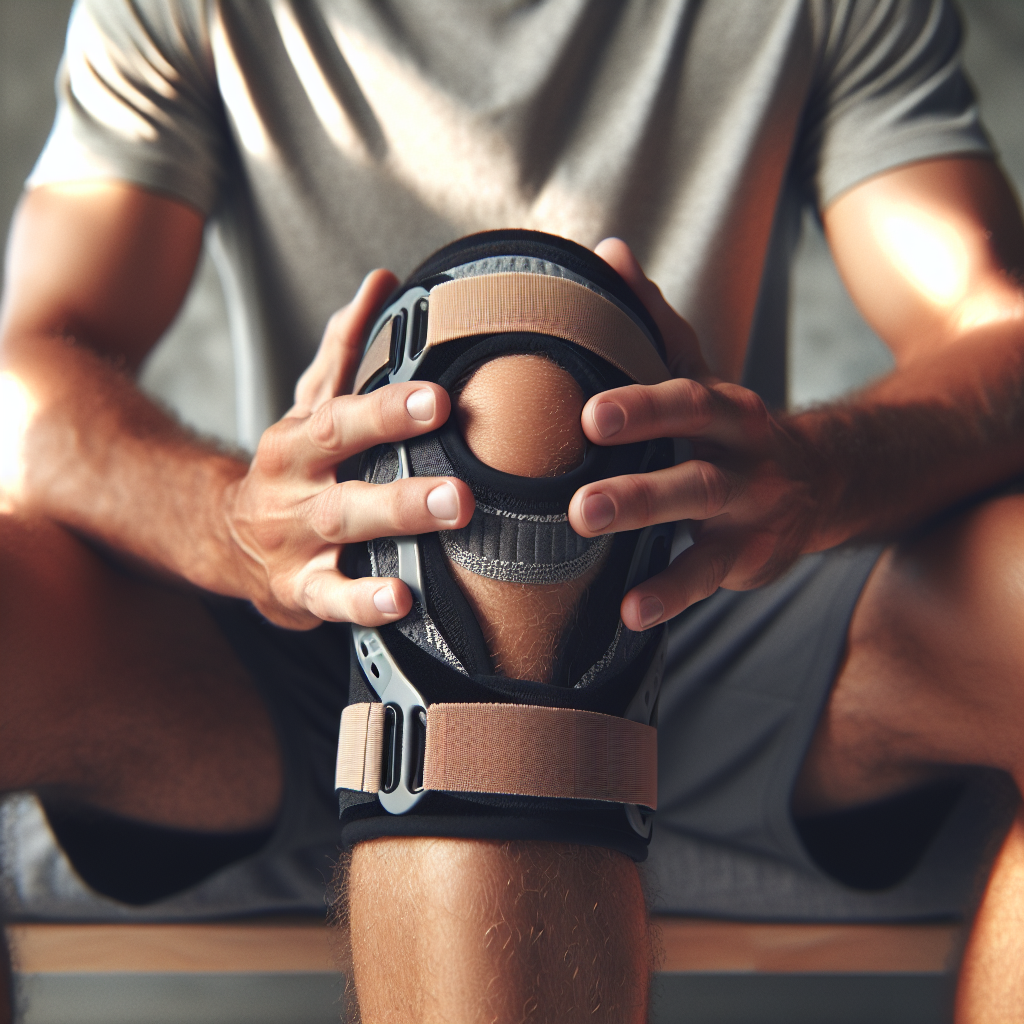
You’re halfway through your morning jog around Cedar Ridge Preserve when it happens – that familiar twinge in your knee that makes you wince and slow to a walk. Maybe it’s an old sports injury acting up again, or perhaps you’re dealing with the kind of wear-and-tear that comes with… well, let’s just say you’re not twenty anymore. Either way, you find yourself googling “knee braces near me” before you’ve even made it back to your car.
Sound familiar? You’re definitely not alone in this.
The thing is, walking into a pharmacy or medical supply store to buy a knee brace can feel overwhelming. There’s this wall of beige and black contraptions that all look like medieval torture devices, each promising to be the “ultimate solution” for your knee problems. Some look like they could double as armor, while others seem so flimsy you wonder if they’d survive a sneeze, let alone a workout.
And then there’s the sales associate who either knows absolutely nothing about knees (despite wearing a name tag that says “Medical Equipment Specialist”) or launches into such technical jargon that you start wondering if you need a medical degree just to buy proper knee support.
Here’s what nobody tells you upfront: finding the right knee brace isn’t just about grabbing whatever’s on sale at CVS. Your knees – those incredibly complex joints that carry you through everything from chasing after your kids to climbing the stairs at work – deserve better than a one-size-fits-all approach. They need something that actually understands what you’re asking them to do every day.
Think about it. Your knee isn’t just dealing with walking. It’s handling the awkward twist when you get out of your car, the sudden pivot when your dog decides to chase a squirrel during your evening walk, the extra stress when you’re carrying groceries up those front steps. A good knee brace should work with your life, not against it.
That’s where the Cedar Hill area really shines – and I’m not just saying that because we happen to be here. This community actually has some fantastic options for knee support, whether you’re dealing with a recent injury, managing arthritis, or just want some extra stability during your weekend warrior activities. But (and this is a big but) knowing where to look and what to look for can make the difference between finding real relief and wasting money on something that ends up gathering dust in your bathroom drawer.
We’ve all been there – you buy what seems like the perfect brace online, it arrives, and it either cuts off circulation to your leg or slides down like a really expensive sock. Meanwhile, you’re out forty bucks and still dealing with knee pain that’s affecting everything from your sleep to your mood.
The reality is that Cedar Hill residents have access to everything from simple sleeve-style supports perfect for mild discomfort to serious hinged braces that can help you get back to activities you thought you’d have to give up. But here’s the catch – and it’s kind of a important one – the “best” brace isn’t necessarily the most expensive one or the one with the most bells and whistles. It’s the one that fits your specific situation, your activity level, and honestly, your patience level too.
Some people need something they can throw on quickly before heading out for their morning walk. Others require more substantial support that can handle weekend tennis matches or those ambitious home improvement projects. And then there are folks who need something comfortable enough to wear all day at work without feeling like they’re advertising their knee problems to the world.
Over the next few minutes, we’re going to walk through what’s actually available here in Cedar Hill – from the quick-and-easy options you can grab today to the more specialized solutions that might require a conversation with a professional. We’ll talk about what really works for different types of knee issues, what you can expect to spend (spoiler alert: good support doesn’t have to break the bank), and maybe most importantly, how to figure out what you actually need versus what someone’s trying to sell you.
Because at the end of the day, the goal isn’t just to buy a knee brace – it’s to get back to doing the things you love without constantly worrying about your knees.
What Makes a Knee Brace Actually Work?
Think of your knee like a well-oiled door hinge – when everything’s working perfectly, you don’t even notice it. But when that hinge gets wobbly or starts grinding… well, suddenly every step reminds you it’s there.
The truth is, knee braces don’t actually “fix” anything in the traditional sense. They’re more like a really smart assistant who knows exactly when to step in and when to back off. A good brace provides targeted support where your knee needs it most, while still letting you move naturally. It’s this balance that separates the life-changing braces from the ones that end up collecting dust in your closet.
The Support Spectrum – It’s Not One Size Fits All
Here’s where things get interesting (and honestly, a bit confusing at first). Knee braces aren’t just “strong” or “weak” – they exist on this whole spectrum of support levels, and choosing the wrong level is like… well, imagine wearing ski boots to run a marathon. Technically footwear, but completely wrong for what you’re trying to do.
Mild support braces are your everyday helpers. Think compression sleeves or basic wraparound styles. They’re perfect for that general achiness after a long day or minor arthritis discomfort – kind of like a gentle, constant hug for your knee.
Moderate support steps things up with hinges, straps, or more structured materials. These are your go-to for ligament strains, moderate instability, or when you’re getting back to activities after an injury.
Maximum support braces are the heavy hitters – post-surgical recovery, major ligament tears, or severe instability. These don’t mess around, and honestly? They’re not meant for long-term everyday wear unless specifically prescribed.
Materials Matter More Than You’d Think
This part always surprises people, but the material your brace is made from can make or break your experience. (No pun intended… okay, maybe a little intended.)
Neoprene is probably what you’re picturing – that wetsuit-like material that provides compression and warmth. It’s great for arthritis or general support, but fair warning: it can get pretty sweaty. Like, really sweaty.
Breathable fabrics with moisture-wicking properties are game-changers if you’re planning to wear your brace for extended periods. Trust me, your skin will thank you.
Then there’s the hardware – hinges, straps, padding. Metal hinges offer the most precise control but add bulk. Plastic hinges are lighter but might not provide the same level of restriction. It’s always a trade-off.
The Fit Equation – Why “Close Enough” Doesn’t Cut It
Here’s something that’s genuinely counterintuitive: a brace that’s too loose won’t just be less effective – it can actually make things worse. It’s like having a seatbelt that doesn’t quite click into place. You think you’re protected, but when you really need it…
But too tight isn’t the answer either. Cut off circulation, create pressure points, or restrict movement too much, and you’ve just traded one problem for several others.
The sweet spot? You should feel supported and aware of the brace, but not uncomfortable or restricted in your normal movements. If you find yourself constantly adjusting it or if it’s leaving marks, something’s off.
Activity-Specific Needs – Because Life Isn’t Just Walking
This is where brace selection gets really personal. What you need for gardening on weekends is completely different from what you need for playing tennis or hiking trails around Cedar Hill.
Low-impact activities might only need compression and mild stability. But if you’re planning to get back on the basketball court or tackle those steeper hiking trails, you’ll want something with more substantial support – particularly for side-to-side movements.
Actually, that reminds me – a lot of people underestimate how much lateral (side-to-side) stability matters. We think about knees bending forward and back, but so many injuries happen when the knee wobbles sideways. Good braces address this with strategic reinforcement.
The Comfort Factor – Because You’ll Actually Have to Wear It
Let’s be honest here – the most technically perfect brace in the world is useless if it sits in your drawer because it’s uncomfortable. And comfort isn’t just about padding (though that helps). It’s about weight, breathability, how it interacts with your clothing, whether it makes weird noises when you walk…
The little things matter. Can you drive comfortably? Does it show through your clothes when that matters to you? Will it hold up to regular washing?
These aren’t shallow concerns – they’re practical realities that determine whether you’ll actually use the support you need.
Finding Your Perfect Fit – It’s Trickier Than You Think
Here’s something most people don’t realize: knee braces can actually make things worse if they don’t fit properly. I’ve seen too many patients grab the first brace off the shelf at CVS, wear it for a week, then declare that “braces don’t work.”
The trick? Your knee circumference changes throughout the day. Measure it first thing in the morning when there’s minimal swelling, then again in the evening. Use the larger measurement – trust me on this one. Most people measure when they’re already experiencing pain and swelling, which gives you a false reading.
And here’s a pro tip your physical therapist might not mention: try the brace on with the pants or shorts you’ll actually be wearing. That yoga pant seam or jean thickness can completely change how a brace sits and functions.
The 15-Minute Rule That Changes Everything
You know that feeling when you put on new shoes and they seem fine in the store, but after an hour of walking… yeah, knee braces work the same way.
Before committing to any brace – especially the pricier ones – wear it for exactly 15 minutes while doing your normal activities. Not sitting on the couch (though that’s important too), but walking around, going up and down stairs, maybe squatting down to pick something up.
If there’s any pinching, sliding, or pressure points during those 15 minutes, it’s only going to get worse with extended wear. Your skin will tell you everything you need to know, but only if you listen early.
The Cedar Hill Climate Challenge
Living here means dealing with humidity that can turn your brace into a swamp by noon. The solution isn’t just buying “breathable” materials – though neoprene alternatives like bamboo fiber blends are game-changers.
Here’s what actually works: create a rotation system. Get two identical braces if possible, or at least have a backup plan for when your primary brace needs a serious wash and dry cycle. Because let’s be real – nobody wants to put on a damp, smelly knee brace at 6 AM.
Also, consider the seasonal switch. That rigid hinged brace that feels perfect in February might become unbearable by July. Many of my patients keep a lighter compression sleeve for summer activities and save the heavy-duty support for cooler months.
Activity-Specific Switching (Not What You’d Expect)
Most people think you need one brace for everything. Actually, that’s like wearing the same shoes for hiking, work, and formal dinners – technically possible, but not optimal.
For Cedar Hill’s beautiful trail system, you’ll want something with lateral support but flexibility for uneven terrain. Those rigid braces that work great for weightlifting? They’ll fight you on every root and rock.
But here’s the thing nobody talks about: transitioning between different braces. Your knee needs time to adjust to different support patterns. Don’t switch from a rigid brace to a compression sleeve right before a big activity – give yourself at least a few days to adapt.
The Maintenance Secret That Extends Life by Years
Hand washing isn’t just a suggestion – it’s the difference between a brace lasting six months versus three years. But here’s the real secret: fabric softener is your brace’s worst enemy. It breaks down the elastic fibers that provide compression and support.
Instead, use a tiny amount of gentle detergent and add a cup of white vinegar to the rinse cycle once a month. The vinegar kills bacteria without damaging materials and actually helps maintain elasticity.
And those fancy antimicrobial treatments? They wear off. But you can refresh them with specialized sprays designed for athletic gear. Just… not the ones that smell like a locker room exploded.
When to Call It Quits (Before It Calls on You)
Your brace should feel like a helpful friend, not a demanding relative who overstayed their welcome. If you’re constantly adjusting it throughout the day, if it’s leaving marks that take more than 30 minutes to fade, or if you find yourself dreading putting it on – something’s wrong.
The lifespan varies wildly based on usage, but most compression sleeves start losing effectiveness after 6-8 months of regular use. Hinged braces can last years if properly maintained, but the padding and straps usually need replacing annually.
Don’t ignore the signs just because you spent good money on it. A worn-out brace providing inadequate support isn’t just useless – it can actually increase your injury risk by giving you false confidence in compromised stability.
When Your Brace Becomes the Problem
Let’s be honest – sometimes the thing that’s supposed to help you ends up driving you absolutely crazy. You know what I’m talking about: that brace that seemed perfect in the store but now feels like it’s plotting against you every single day.
The most common complaint? Slipping and sliding. You’re walking along, feeling confident, and suddenly your brace has migrated halfway down your leg like it’s trying to escape. It’s not just annoying – it’s genuinely concerning because a poorly positioned brace isn’t doing its job.
Here’s the thing about sizing that nobody wants to admit: those measurement charts are more like… suggestions. Your leg swells throughout the day, your muscle tone changes, and that “medium” you ordered might actually need to be a large by 3 PM. The solution isn’t always buying a different size – sometimes it’s about adjustable straps, compression sleeves underneath, or (and this might sound obvious) actually loosening the brace when you’re sitting for long periods.
The Comfort Conundrum That Everyone Faces
You’ve probably experienced this: the brace that feels fine for the first hour, maybe even two… but by afternoon, you’re ready to tear it off and throw it in the nearest trash can. The pressure points start talking to you – and not in a good way.
Those red marks on your skin? That’s your brace having a conversation with your anatomy, and sometimes they just don’t speak the same language. The areas that typically revolt first are right above and below the kneecap, where the brace edges meet soft tissue that wasn’t designed to handle constant pressure.
What actually works: padding and positioning. I know, I know – adding more bulk seems counterintuitive when you’re already dealing with a bulky device. But strategic padding (think moleskin, gel strips, or even doubled-up athletic tape) can completely transform your experience. Place it where you feel hot spots developing, not where you think it should go based on some diagram.
The Wardrobe Wars Nobody Warned You About
Can we talk about pants for a second? Because suddenly, your entire wardrobe has become… complicated. Those jeans that used to be your go-to now create a lumpy, uncomfortable situation that makes you look like you’re smuggling sports equipment.
The revelation most people have (usually after weeks of frustration) is that layering strategy matters more than brace selection. Compression leggings or thin athletic tights under your brace can eliminate that awful plastic-on-skin feeling while making your regular clothes fit more normally over everything.
And here’s something your physical therapist might not mention: different activities call for different approaches. The brace setup that works perfectly for your morning walk might be torture during your desk job. Some people keep two different braces – a more structured one for activities and a sleeker, low-profile option for long sitting periods.
When Support Feels Like Restriction
There’s this weird psychological thing that happens with knee braces – suddenly you become hyperaware of every sensation in your leg. Is that tightness normal? Should it feel this restrictive? Am I actually helping or making things worse?
The truth is, good support should feel reassuring, not imprisoning. If you’re constantly thinking about your brace, something’s probably off. Maybe it’s too tight (most likely), positioned incorrectly, or honestly… just not the right style for your specific needs.
This is where gradual adjustment becomes crucial. Start with shorter wearing periods and gradually increase – not because your knee needs to “get used to” support, but because you need time to fine-tune the fit and positioning. Every day might require small tweaks based on your activity level, the weather (humidity affects swelling), and yes, even what you had for lunch (sodium, anyone?).
The Real Solution Nobody Talks About
Here’s what I wish someone had told me from the beginning: there’s no shame in trial and error. That brace that works miracles for your neighbor might be completely wrong for you. The expensive one might be worse than the basic model. Your needs might change as your strength improves or your activity level shifts.
Keep notes – seriously. What worked today? What didn’t? When did problems start? This isn’t obsessive; it’s practical. Pattern recognition will save you more frustration than any product review ever could.
Setting Realistic Expectations for Your Knee Brace Experience
Look, I’ll be straight with you – knee braces aren’t magic. They’re incredibly helpful tools, but they won’t transform your knee overnight into what it was when you were twenty. Most people expect too much too soon, then get discouraged when they don’t feel like they can run a marathon after week one.
Here’s what’s actually normal: You might feel some immediate relief when you first strap on your brace – that’s the compression and support kicking in. But real improvement? That takes time. We’re talking weeks, not days. Your muscles need to learn to work with the brace, your body needs to adjust to the new support pattern, and honestly… your brain needs time to trust your knee again.
Think of it like breaking in new shoes. At first, everything feels foreign. You’re hyperaware of every sensation. Some people even experience mild discomfort as their leg adapts to the brace’s presence. That’s completely normal, as long as we’re not talking about sharp pain or skin irritation.
The First Few Weeks: What to Actually Expect
Week one is all about adjustment. You’ll probably overthink every step – that’s your brain being protective. Some folks notice their gait feels different, or they’re more aware of their knee than usual. Don’t panic. This hyperawareness usually fades as wearing the brace becomes second nature.
Around week two or three, you might start noticing the real benefits. That nagging ache during certain activities might ease up. You might feel more confident on stairs, or find yourself not automatically favoring your good leg. These small victories? They’re actually huge wins.
The mistake most people make is assuming linear progress. Some days will feel better than others – that’s not the brace failing, that’s just… life. Weather changes, stress levels, how much sleep you got last night – all of these affect how your knee feels.
Building Back Your Confidence
Here’s something interesting we’ve noticed: often, the biggest barrier isn’t physical – it’s mental. You’ve probably been protecting that knee for months or years, changing how you move, avoiding certain activities. The brace can provide physical support, but rebuilding confidence? That’s a gradual process.
Start small. If you’ve been avoiding walks around the neighborhood, maybe try one block with your brace. If you used to love hiking but haven’t in ages, consider an easy, flat trail before tackling anything ambitious. Your brace is there to support you, but it’s still your knee doing the work.
When to Check Back In
We typically like to see how you’re doing around the 2-3 week mark. Not because something’s wrong, but because that’s usually when any fit issues become apparent. Maybe the brace is sliding down during activity, or you’re experiencing some chafing we need to address. Small adjustments at this point can make a world of difference.
If you’re dealing with significant pain, skin breakdown, or the brace is making your symptoms worse, don’t wait – call us immediately. But honestly? Most people just need some fine-tuning and reassurance that what they’re experiencing is totally normal.
Looking Ahead: Your Action Plan
Moving forward, consistency is your friend. Wear your brace as recommended – not just when you “feel like you need it.” Your knee needs time to adapt and strengthen with that support in place.
Keep a mental note (or actual notes, if you’re the type) of what activities feel better, what still gives you trouble, and any patterns you notice. This information is gold when we follow up with you.
And please, resist the urge to immediately return to activities you’ve been avoiding for years. Yes, the brace helps, but remember – it’s a tool, not a time machine. Gradual progression prevents setbacks and builds lasting confidence.
Most importantly? Be patient with yourself. Recovery and adaptation aren’t races. Some people feel dramatically better within weeks, others need months to see significant improvement. Both are completely normal. Your knee has its own timeline, and that’s okay.
We’re here to support you through this process. Questions will come up – that’s expected. You’re not bothering us by calling. Actually, we’d rather address small concerns before they become bigger issues.
Finding Your Perfect Fit
You know what? After spending time exploring all these different support options, it’s pretty clear that there’s no one-size-fits-all solution when it comes to knee support. Your needs are as unique as you are – whether you’re dealing with post-surgery recovery, managing arthritis pain, or trying to get back to weekend hiking without that nagging ache.
The beauty of having so many choices in Cedar Hill means you’re not stuck settling for something that’s “close enough.” Those hinged braces that work wonders for your neighbor’s torn ACL might be total overkill for your mild runner’s knee. And that compression sleeve that your tennis partner swears by? It might not give you the stability you need for those longer walks around Joe Pool Lake.
Here’s what I’ve noticed working with people over the years – the “right” choice often comes down to listening to your body and being honest about your lifestyle. Are you someone who forgets to put on complicated gear? Maybe that simple slip-on sleeve is your sweet spot. Do you need serious support but worry about looking like you’re wearing medical equipment? Those newer low-profile hinged options might surprise you with how discreet they can be.
And let’s be real for a second… sometimes the process feels overwhelming. You’re already dealing with discomfort, maybe some frustration about limitations you didn’t have before, and now you’re supposed to become an expert on pivot straps and gel padding? That’s a lot.
But here’s the thing – you don’t have to figure this out alone. The wonderful thing about our community here in Cedar Hill is that we’ve got resources and people who actually care about getting you back to doing what you love. Whether that’s playing with your grandkids, maintaining your garden, or just walking through the grocery store without thinking about every step.
Sometimes the perfect solution isn’t even the most expensive or high-tech option. I’ve seen people find incredible relief with a well-fitted basic brace that costs a fraction of what they thought they’d need to spend. Other times, investing in that premium option with all the bells and whistles turns out to be life-changing – literally giving someone their confidence back.
The most important thing is taking that first step toward getting proper guidance. Your knees have been carrying you through life for years… they deserve some expert attention.
If you’re feeling stuck or just want someone knowledgeable to walk through your options with you, we’re here. No pressure, no sales pitch – just real conversation about what might work best for your specific situation and goals. Sometimes a quick chat can save you weeks of trial and error, not to mention the frustration of buying something that ends up in your closet.
Ready to explore what might work best for you? Give us a call or stop by. We’d love to help you find that sweet spot between the support you need and the comfort you deserve. Because honestly? Life’s too short to let knee pain keep you on the sidelines.