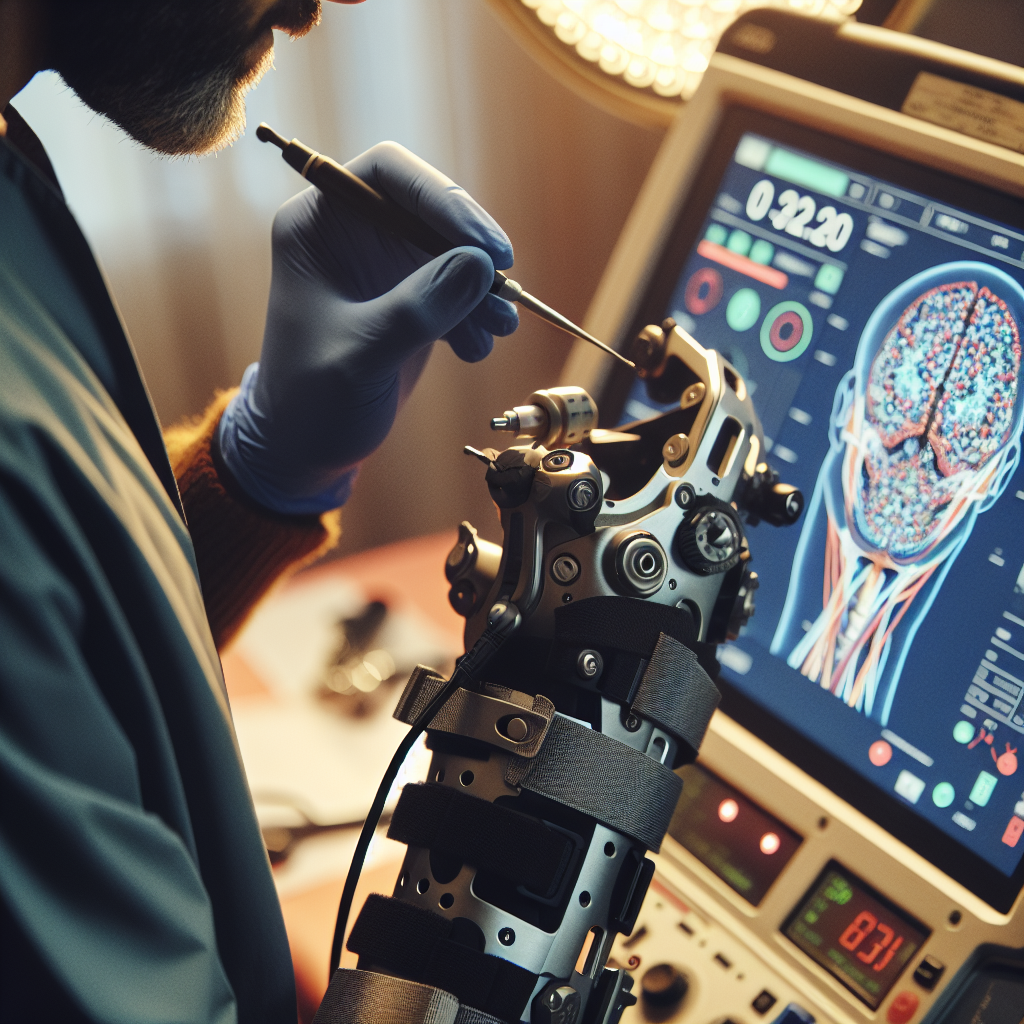
Your Comprehensive Guide to Durable Medical Equipment: Focusing on SAM Ultrasound and Knee Braces
Introduction:
Are you, or a loved one, recovering from an injury, living with a chronic illness, or navigating through the challenges of aging? If so, you’ve likely come across the term “durable medical equipment” (DME). You might be wondering what that means, how it can help you, and if it’s covered by your insurance. You’re not alone. Many people are unaware of the benefits of DME until they need it. This blog post aims to demystify durable medical equipment, emphasizing on two common types: SAM Ultrasound and knee braces.
But, first things first! What is durable medical equipment? In simple terms, DME refers to any medical device that provides therapeutic benefits to patients due to certain medical conditions or illnesses. These devices are primarily intended for long-term use at home or in other non-clinical settings such as assisted living communities or nursing homes. They are distinguished by their durability and longevity – designed to resist repeated use over an extended period. However, it’s not just about durability; these pieces of equipment are vital in improving patients’ lives by helping them manage pain, recover from injuries faster, or gain improved mobility.
In this comprehensive guide, we will delve deeper into the world of DMEs. We will help you understand their importance, how to select the right type of equipment for your needs, and how these devices can improve your quality of life or that of your loved one. We’ll specifically focus on SAM Ultrasound and knee braces – two types of DMEs that have proven indispensable in managing certain health conditions.
SAM Ultrasound is a cutting-edge DME that uses high-intensity ultrasound to stimulate the body’s natural healing processes. It’s a popular choice for patients recovering from surgeries or injuries, thanks to its non-invasive nature and ability to accelerate healing. On the other hand, knee braces, which are orthopedic devices designed to support and stabilize the knee, are often employed in the treatment of various knee-related conditions or injuries.
But why should you care about DMEs? Well, understanding the role of durable medical equipment in healthcare is crucial for anyone dealing with a health condition that impairs their mobility or needs help managing pain or accelerating recovery. With the right information, you can make an informed choice about your healthcare options and potentially improve your quality of life.
The importance of DMEs extends beyond individual patients. They also play a significant role in our healthcare system’s overall functioning by reducing hospital stays and enabling patients to manage their conditions at home. This not only helps in providing comfort to patients but also significantly reduces healthcare costs.
In conclusion, our journey through the world of durable medical equipment promises to be an enlightening one. Whether you are a patient, caregiver, healthcare provider, or just someone keen on understanding the healthcare sector better, there’s something in store for you in this guide. Join us as we explore these life-changing devices in depth, providing you with the knowledge needed to navigate your way through the often complex landscape of durable medical equipment. Your journey towards a better understanding of your healthcare options starts here!
Durable medical equipment, commonly known as DME, is a term used to describe a wide range of medical devices designed to assist individuals with various medical conditions or disabilities. These devices are specifically engineered to withstand repeated use while providing therapeutic benefits to patients who are managing long-term or chronic conditions. The term “durable” in durable medical equipment signifies the robustness and longevity of these devices, confirming their capacity to serve their purpose over a significant period without the need for frequent replacements.
The general requirements for a device to be classified as durable medical equipment are that the device must be primarily used for a medical purpose, be able to withstand repeated use, and is appropriate for use in the home. These items are non-disposable, can be reused, and are meant to help improve, maintain, or restore the functions of a patient, or to minimize the pace of their deterioration.
DME can range from more common items like wheelchairs, crutches, and blood glucose monitors, to more specialized equipment like oxygen concentrators, nebulizers, hospital beds, and prosthetics. These are tools that render invaluable assistance to individuals dealing with myriad health issues like diabetes, respiratory disorders, mobility impairments, and more.
Durable medical equipment is often prescribed by doctors as part of a treatment plan for patients. For instance, a person recovering from knee surgery may require crutches or a walker to aid mobility during the recovery period. Similarly, a patient with severe asthma may need a nebulizer at home for regular treatment.
One of the distinguishing features of durable medical equipment is that they are not typically useful to people without illnesses or medical conditions. They are not meant for general use by people outside of those needing medical care, which further emphasize their role as medical necessities rather than convenience items.
Given their relevance in the healthcare spectrum, most durable medical equipments fall under insurance coverages, including Medicare. However, there typically are certain criteria that must be met for insurance to cover the cost of the DME. The equipment must be prescribed by a doctor, used in the home setting, and be necessary for the treatment of an illness or injury.
The durable medical equipment market is a significant segment in the healthcare industry. It is continually evolving, driven by the increasing incidence of chronic diseases, growing geriatric population, and advances in technologies that improve the functionality and effectiveness of these devices.
In terms of regulatory oversight, DMEs are subject to rules and regulations by bodies like the U.S. Food and Drug Administration (FDA) and similar organizations worldwide. These agencies ensure that the design, manufacturing, labeling, and marketing of DME adhere to established standards for safety and efficacy.
To conclude, durable medical equipment serves as a key element in healthcare, aiding in the management and treatment of various diseases and medical conditions. By improving patients’ quality of life and fostering independent living, these devices play a crucial role in modern healthcare delivery. As technology continues to evolve, we can expect to see even more innovative and effective DME solutions come to the fore, helping to shape the future of patient care. Understanding durable medical equipment is essential for anyone involved in healthcare, whether as a provider, patient, caregiver, or policy-maker. As such, continued awareness and education about these vital tools are necessary to ensure their optimal utilization in improving health outcomes.
Understanding Durable Medical Equipment: A Guide to SAM Ultrasound, Knee Braces, and More
Durable Medical Equipment (DME) refers to reusable medical devices that support people with certain medical conditions or illnesses. These devices are designed for long-term use, typically at home, and can include items such as wheelchairs, patient lifts, home oxygen equipment, hospital beds, and more specialized equipment like SAM Ultrasounds or knee braces.
In this guide, we will delve into the realm of DME, with particular emphasis on SAM Ultrasound and knee braces. We’ll demystify these terms, explain how they function, and provide actionable insights on how to use them effectively.
1. **Understanding Durable Medical Equipment (DME)**
DMEs are health aids intended for repeated use. They serve a medical purpose and are instrumental in improving the quality of life for patients living with chronic diseases or recovering from surgeries or injuries. DMEs are distinct from disposable supplies like bandages or gloves which are used once then discarded. Instead, DMEs are sturdy, often lasting for years.
**Real-World Scenario:** Consider a patient recovering from a severe leg fracture. While crutches (a classic example of DME) won’t heal the fracture itself, they will provide mobility during recovery.
**Actionable Advice:** If you or a loved one require DME, consult with healthcare professionals to determine the most appropriate equipment. Ensure you understand how to use the equipment correctly to avoid further injury.
2. **Exploring SAM Ultrasound**
The SAM (Sustained Acoustic Medicine) Ultrasound is a wearable, multi-hour ultrasound device used for treating chronic pain and speeding up the healing process of soft tissue injuries. Unlike traditional ultrasound treatments that are administered in short sessions at a clinic, SAM Ultrasound can be used at home for extended periods.
**Real-World Scenario:** Let’s imagine a professional athlete recovering from a muscle strain. The SAM Ultrasound can be applied to the affected area to promote healing and relieve pain, enabling a quicker return to sport.
**Actionable Advice:** If you’re using SAM Ultrasound for injury recovery, ensure you follow your healthcare provider’s instructions regarding usage time and intensity. Regular usage as prescribed can lead to more effective results.
3. **Understanding Knee Braces**
Knee braces are supportive devices worn when one has knee pain or is recovering from knee surgery. They help reduce pain, improve stability and prevent further injuries. There are different types of knee braces, including prophylactic braces, functional braces, rehabilitative braces, and unloader/offloader braces.
**Real-World Scenario:** Consider an elderly individual with arthritis in the knee. A specially designed unloader knee brace can relieve pain by shifting weight from the affected part of the knee.
**Actionable Advice:** When using knee braces, it’s crucial to get the right fit. An ill-fitting brace can cause more harm than good. Consult with your doctor or a physical therapist to ensure you have the correct type and size of brace for your condition.
In conclusion, Durable Medical Equipment like SAM Ultrasound and knee braces can play an invaluable role in enhancing patient care, aiding recovery, and improving quality of life. However, they should be used under appropriate medical guidance. If you’re unsure about using any DME, always consult a healthcare provider to ensure it’s suitable for your condition and that you understand how to use it properly.
Unravelling the World of Durable Medical Equipment: Challenges, Solutions and Best Practices
Understanding Durable Medical Equipment
Durable Medical Equipment (DME) is any medical equipment that provides therapeutic benefits to patients due to certain medical conditions or illnesses. These include items like wheelchairs, hospital beds, traction equipment, and various other devices designed for long-term use. They are typically reusable, can withstand repeated use, and are essential for a patient’s treatment or recovery process. DME is often misunderstood, yet it plays an integral role in sustaining and improving the quality of life for many patients.
Common Challenges and Misconceptions
Despite the invaluable role of DME in healthcare, several challenges exist in its usage and application. Key among these is the lack of awareness and understanding of what constitutes DME. Many patients and even some healthcare providers erroneously believe that DME refers to any medical equipment. However, not all medical equipment can be classified as DME. For instance, disposable items such as bandages, gloves, or syringes are not DME because they are not durable or designed for long-term use.
Another common challenge is the difficulty in accessing and affording DME. These pieces of equipment can be expensive and may not be covered by all insurance plans. Additionally, there can be confusion around the prescribing and fitting process. For instance, patients may not know that certain devices, like knee braces or SAM Ultrasounds, require prescriptions or professional fitting.
Solutions and Expert Tips
To overcome these challenges, it’s vital to be informed about your specific needs and the available options. Here are some expert tips
1. **Consult with your healthcare provider**: Your doctor or physical therapist is the best source of advice on the type of DME you need. They can provide a prescription and refer you to a reputable supplier.
2. **Verify your insurance coverage**: Before purchasing any DME, check with your insurance provider to find out what they cover. Some equipment may require prior authorization or a detailed written order from your doctor.
3. **Get professionally fitted**: Some DME, like knee braces, need to be properly fitted to be effective and comfortable. Utilize the services of a professional orthotist to ensure the device is correctly fitted to your body.
Durable Medical Equipment in Focus: SAM Ultrasound and Knee Braces
The SAM Ultrasound is a type of therapeutic DME that uses continuous sound waves to penetrate soft tissues and stimulate healing. It’s particularly effective in treating conditions like tendon injuries or arthritis. Despite its benefits, some people may be wary of using it due to fears of radiation. However, SAM Ultrasound uses non-ionizing radiation, which is safe for human tissues.
On the other hand, knee braces are orthopedic devices designed to support and stabilize the knee joint. They can help manage conditions like osteoarthritis, ACL injuries, or post-surgical recovery. A common misconception about knee braces is that they weaken the muscles. However, when used correctly under professional guidance, knee braces can aid in rehabilitation by providing stability and reducing pain.
Best Practices for Durable Medical Equipment Use
Here are some general best practices for using DME
1. **Follow instructions**: Always use the equipment as directed by your healthcare provider or the manufacturer’s instructions. Incorrect usage can lead to injury or ineffective treatment.
2. **Regular maintenance**: Maintain the equipment according to manufacturer guidelines to ensure its longevity and functionality. This can include cleaning, adjusting, and regular inspection for wear and tear.
3. **Seek professional advice**: If you’re unsure about any aspect of your DME, don’t hesitate to seek professional advice. This could be from your healthcare provider, the equipment supplier, or a specialist in the particular type of equipment you are using.
In conclusion, DME plays a critical role in healthcare by facilitating treatment, recovery, and improved quality of life. Understanding DME, its challenges, solutions, and best practices can help patients and healthcare providers make the most out of these essential devices.
Understanding Durable Medical Equipment: Expectations, Timelines, and Next Steps
Durable Medical Equipment (DME) refers to reusable medical devices designed to serve a medical purpose, offer therapeutic benefits, and assist individuals with certain medical conditions or illnesses. These devices are not only used in hospitals, but can also be used at home to enhance the quality of life for individuals with chronic diseases or mobility issues. Examples of durable medical equipment include items such as hospital beds, wheelchairs, knee braces, walkers, and SAM ultrasound devices.
When starting your journey with DME, it’s important to understand what to expect, the timelines involved, and the next steps you need to take. This guide will provide a comprehensive overview of these aspects.
Expectations:
DMEs are usually recommended by healthcare professionals after a thorough examination of a patient’s specific needs. The equipment is generally designed to withstand repeated use, making it a cost-effective solution for long-term needs. However, it’s important to remember that the effectiveness of DME largely depends on proper use and maintenance. For instance, a knee brace will only be effective if worn correctly and consistently.
Timelines:
The timeline for using DME varies based on an individual’s health condition and recovery progress. Some might need equipment like wheelchairs or crutches temporarily after surgery or an accident, while others might need them for longer periods due to chronic conditions.
For instance, a SAM ultrasound device—a wearable, home-use device that produces high-frequency sound waves to stimulate healing in tissue—may be used for several weeks or months until the injury or wound is completely healed.
Next Steps:
Once your healthcare provider suggests DME, your next step is to work with a supplier who can provide the necessary equipment. Most insurance providers cover DME costs, but it’s essential to ensure the supplier you choose is approved by your insurance.
Once you have the equipment, it’s crucial to learn how to use it properly. Incorrect usage can lead to further injuries or ineffective results. For example, a knee brace should provide support without constricting blood flow. It should be worn during activities that strain the knee, but it’s generally safe—and often beneficial—to remove the brace periodically to exercise the knee and build strength.
Maintenance of DME:
Regular maintenance of durable medical equipment is essential for its longevity and effectiveness. Each piece of equipment will come with specific instructions regarding its care and maintenance. For instance, a SAM ultrasound device requires regular cleaning with a soft cloth and mild detergent, and it’s essential to check the device regularly for any signs of wear and tear.
In summary, durable medical equipment plays a vital role in assisting individuals with medical conditions or physical challenges, improving their quality of life, and promoting independence. Understanding what to expect, knowing the associated timelines, and being aware of the next steps can help one navigate the process more smoothly. Always remember to consult with healthcare professionals for personalized advice and guidance on using and maintaining these devices.
In conclusion, Durable Medical Equipment (DME) is an essential aspect of healthcare that greatly contributes to patients’ quality of life, recovery processes, and overall health maintenance. As we’ve explored throughout this article, DME refers to medical devices that are intended for long-term use in the home or other non-medical settings, including hospitals and clinics. These instruments are not disposable or consumable; they are designed to stand the test of time, even with regular and repeated use.
The vast array of DME available in today’s market caters to a wide range of health conditions and patient needs. From mobility aids like wheelchairs, canes, and walkers, to respiratory apparatus such as oxygen concentrators, CPAP machines, and nebulizers; from diabetic supplies like glucose monitors to home medical equipment such as hospital beds and patient lifts—DME can significantly enhance a patient’s ability to manage their health condition and live independently.
We have also identified that DME must meet specific criteria set by healthcare standards to qualify as such. Not only should it be durable and reusable, but it should also be used for a medical purpose, be suitable for use in the home, and typically not be useful to an individual in the absence of an illness or injury.
Choosing the right DME can be a complex process, considering the broad spectrum of products available and the specific medical needs of each patient. It’s important to consult with healthcare professionals, such as doctors or therapists, who can provide expert advice based on a thorough understanding of the patient’s condition. Furthermore, ensuring that the chosen DME meets regulatory standards is crucial for safety and effectiveness.
Another key takeaway is the role of insurance companies in the acquisition of DME. Many insurance plans, including Medicare and Medicaid, cover certain types of DME under specific circumstances. However, the coverage details can vary widely, so it’s crucial to understand your policy or consult with an insurance expert.
Lastly, we’ve acknowledged the importance of proper maintenance and care for DME. This not only extends the lifespan of the equipment but also ensures it remains safe and effective for the user. Regular cleaning, following manufacturer’s instructions, and scheduling necessary repairs or replacements are all part of responsible DME ownership.
In light of these insights, it’s clear that DME plays an integral role in healthcare, offering invaluable support to individuals dealing with various health conditions. However, navigating the world of DME can be daunting due to its complexity and the critical decisions involved.
That’s where we come in. Our team of experienced professionals is ready to guide you through the process of selecting, acquiring, and maintaining your DME. We understand the unique challenges you may face and are committed to providing personalized solutions that best meet your needs.
Whether you have specific questions about a type of equipment, need assistance with insurance coverage, or are looking for expert advice on maintaining your DME, we’re here to help. Our goal is to make your DME acquisition process as seamless and stress-free as possible, allowing you to focus on what truly matters—your health and well-being.
So why wait? Get in touch with us today for comprehensive assistance regarding all your Durable Medical Equipment needs. Let us be your reliable partner in your journey towards improved health and independence.